
How To Get Better Results From The Makeup Brushes You Already Own
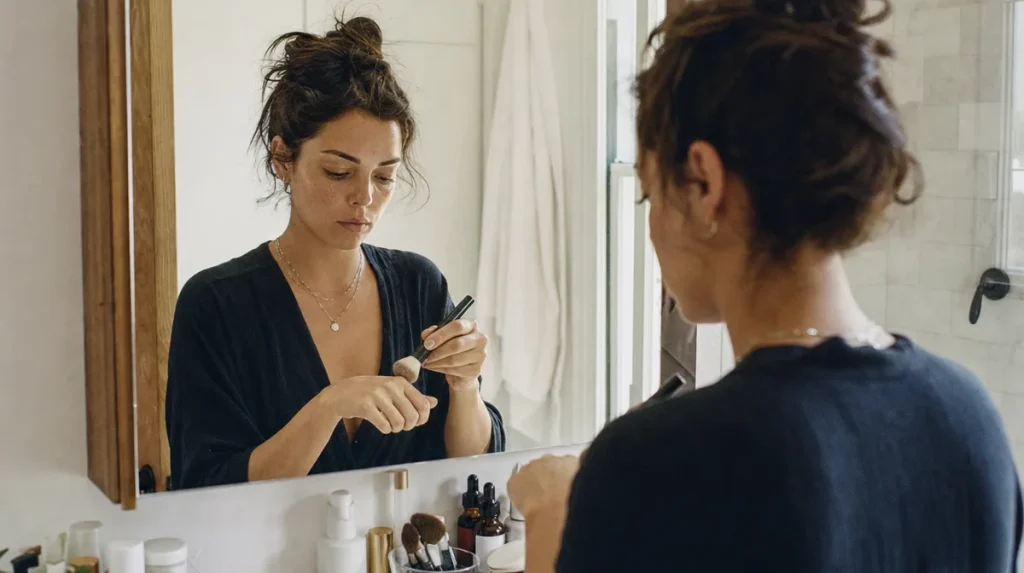
You own more brushes than you think. Open the mug on the bathroom counter or the roll tucked in a drawer and count: a fluffy one for powder, a flat one that came free with an eyeshadow palette, two or three fat…
How To Build An Eyeshadow Routine That Actually Lasts All Day

The question usually shows up around 7:40 in the morning, phone propped against the bathroom mirror, a half-used palette open on the counter: which shades, in what order, and whether any of it will still be in place by lunch. Most people…
How To Get Better Results From The Setting Spray You Already Own
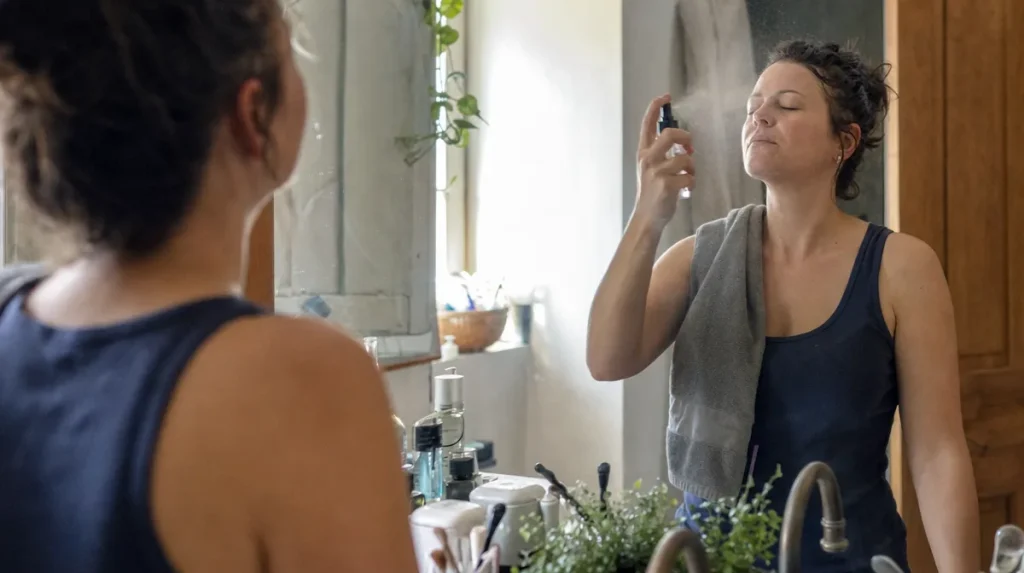
There is a bottle of setting spray sitting on almost every bathroom shelf in America, half used, cap slightly sticky, bought after a wedding or a humid August that ruined a full face of makeup by noon. Most women do not throw…
How To Make The Perfume You Already Own Last Longer And Smell Better

You know the bottle. It sits on the dresser, three-quarters full, the one you bought two winters ago and now reach for out of habit more than excitement. By noon it has faded to something you can only smell if you press…
The Case for Simplicity: What Dermatologists Use on Their Own Skin
We asked eleven dermatologists the same question: what do you actually put on your own face in the morning and at night? The answers were remarkably consistent, and remarkably short. None of them described a routine with more than five products. Several…
What Changes in Your Skin After 30, and What the Clinical Evidence Says to Do About It
Around age 30, the skin begins changing in ways that are measurable, predictable, and largely the same across skin types. Some of these changes are intrinsic, driven by genetics and the slowing of cellular processes that started years earlier. Others are extrinsic,…
How to Read a Skincare Ingredient Label the Way a Formulation Chemist Does
The back of a skincare product lists every ingredient in the formulation, ranked by concentration from highest to lowest. That list is the most informative piece of information on the entire package, and almost nobody reads it correctly. We asked a cosmetic…
Why Your Skin Barrier Matters More Than Any Single Product
The skincare industry sells hundreds of products that claim to improve your skin. Most of them are trying to fix a problem that starts in the same place: a damaged barrier. The stratum corneum, the outermost layer of skin, is less than…
The Science Behind SPF Ratings, Explained Without the Marketing
The number on a sunscreen bottle is the most consequential figure in skincare, and the most poorly understood. SPF 30 does not mean twice the protection of SPF 15, and SPF 100 does not mean you can stay in the sun three…
What Retinol Actually Does to Skin Cells, According to Published Research
Retinol is the most studied topical ingredient in dermatology, and the most misunderstood by the people who buy it. Walk into any drugstore and you will find dozens of products that name it on the label. Most of them do not tell…